Product Description
Terex Exhaust Clamp 15320962 for CZPT Tr50
product detail
| drawing NO | Vehicle model | |||||||||||||||
| framed structure | ||||||||||||||||
| 9015218 | TR50 | |||||||||||||||
| 2). —-If you don’t have part no in hand, you can also tell us the Engine Number(8 arab numbers, like33191278). Welcome to inquiry!
Where can I find information on alternatives to traditional shaft clamps for specific applications?If you are looking for information on alternatives to traditional shaft clamps for specific applications, here’s a detailed explanation: When exploring alternatives to traditional shaft clamps, it’s important to consider the specific requirements of your application and the desired performance characteristics. Here are some sources where you can find information on alternative solutions: 1. Manufacturer’s Websites: Visit the websites of manufacturers that specialize in clamping solutions or components related to your specific application. Many manufacturers provide detailed product information, including alternative clamping solutions that may offer unique features or advantages over traditional shaft clamps. These websites often include specifications, application examples, and technical resources to help you understand the alternatives available. 2. Industry Trade Shows and Exhibitions: Attending trade shows and exhibitions focused on engineering, machinery, or specific industries can provide opportunities to discover alternative clamping solutions. These events often feature exhibitors showcasing innovative products and technologies. Engaging with manufacturers and industry experts at these events allows you to gather information, ask questions, and explore alternative options specific to your application. 3. Technical Journals and Publications: Technical journals and publications related to mechanical engineering, manufacturing, or specific industries can be valuable sources of information on alternative clamping solutions. These publications often feature articles, case studies, or research papers that discuss new developments and advancements in clamping technologies. They provide insights into alternative solutions and their applications in various industries. 4. Engineering Consultancies and Experts: Consulting engineering firms or experts in the field can provide specialized knowledge and recommendations on alternative clamping solutions. These professionals have expertise in various clamping technologies and can assess your specific application requirements to offer tailored suggestions. They can help you evaluate the feasibility, performance, and suitability of alternative solutions. 5. Online Communities and Forums: Participating in online communities and forums focused on engineering, machinery, or specific industries can be a valuable way to gather information on alternative clamping solutions. These platforms often have discussions, threads, and user experiences shared by professionals and enthusiasts. Engaging in these communities allows you to seek advice, ask questions, and learn from the collective knowledge and experiences of the community members. When seeking information on alternatives to traditional shaft clamps, it’s important to critically evaluate the sources and consider the credibility and reliability of the information. Every application is unique, and alternative solutions may have specific advantages and limitations. Consulting with experts, conducting thorough research, and considering real-world case studies will help you make informed decisions regarding alternative clamping solutions for your specific application.
Can I find guidelines on lubricating and maintaining shaft clamps for optimal performance?Yes, guidelines for lubricating and maintaining shaft clamps can be found to ensure optimal performance. Here’s a detailed explanation: When it comes to lubricating and maintaining shaft clamps, it’s important to refer to the manufacturer’s guidelines and recommendations specific to the type of clamp being used. These guidelines may vary depending on the design, materials, and intended application of the shaft clamp. However, here are some general considerations: 1. Lubrication: Some shaft clamps may require lubrication to reduce friction and ensure smooth operation. The type of lubricant and the frequency of lubrication will depend on the specific clamp design and the environmental conditions in which it operates. It’s important to use lubricants that are compatible with the materials of the clamp and the shaft to avoid degradation or damage. The manufacturer’s guidelines will provide specific recommendations on the appropriate lubrication method and lubricant type. 2. Inspection and Cleaning: Regular inspection and cleaning of the shaft clamps are essential for maintaining optimal performance. Inspect the clamps for any signs of wear, damage, or misalignment. Clean the clamps to remove any dirt, debris, or contaminants that may affect their operation. Use appropriate cleaning methods and avoid using harsh chemicals that could damage the clamp or its surface finish. 3. Torque Checks: Over time, the clamping force of the shaft clamp may diminish due to factors such as vibration or thermal expansion. It’s important to periodically check and verify the torque settings of the clamp to ensure that it maintains the desired clamping force. This can be done using torque wrenches or other suitable torque measurement tools as specified by the manufacturer. 4. Environmental Considerations: Consider the operating environment of the shaft clamp when determining the maintenance requirements. In harsh or corrosive environments, additional protective measures may be necessary to prevent corrosion or deterioration of the clamp. This can include applying protective coatings or using corrosion-resistant materials. 5. Replacement and Spare Parts: If a shaft clamp shows signs of significant wear or damage that cannot be remedied through maintenance, it may be necessary to replace the clamp. Ensure that replacement clamps or spare parts are obtained from reputable sources and are compatible with the specific clamp design. It’s important to note that these are general considerations, and the specific maintenance requirements for shaft clamps may vary. Always consult the manufacturer’s guidelines and recommendations for the particular make and model of the shaft clamp to ensure proper lubrication and maintenance practices are followed. Adhering to these guidelines will help optimize the performance, longevity, and reliability of the shaft clamps in your machinery.
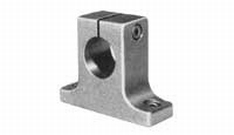
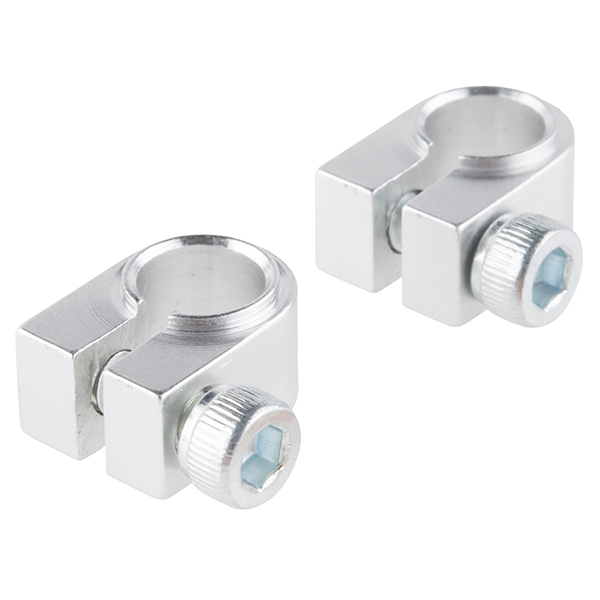
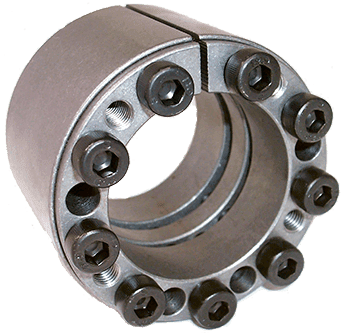
What is a shaft clamp, and how does it differ from other shaft fastening methods?A shaft clamp is a type of fastening device used to secure components onto a shaft. It differs from other shaft fastening methods in its design and mechanism of operation. Here’s a detailed explanation of what a shaft clamp is and how it differs from other shaft fastening methods: A shaft clamp is typically a two-piece device consisting of a collar and a clamping mechanism. The collar is a ring-shaped component that fits around the shaft, while the clamping mechanism is used to tighten the collar securely onto the shaft. The clamping mechanism can vary depending on the specific design but often includes screws, bolts, or levers that apply pressure to the collar, creating a tight grip on the shaft. One key difference between a shaft clamp and other shaft fastening methods is the ease of installation and removal. Shaft clamps are designed to be easily installed or removed without requiring specialized tools or equipment. The clamping mechanism allows for quick adjustments and secure tightening of the collar onto the shaft, ensuring a reliable grip. Compared to other shaft fastening methods such as set screws or keyways, shaft clamps offer several advantages:
It is important to note that the selection of the appropriate shaft fastening method, including shaft clamps, should be based on the specific application requirements, load conditions, and compatibility with the components being secured. Consulting with shaft collar manufacturers, engineers, or industry experts can help in determining the most suitable fastening method for a particular application.
|